At Supercomputing 2026, AMD is demonstrating how open, heterogeneous computing is expanding the frontier of scientific discovery. Across the world’s leading supercomputers, new AI Factories and emerging quantum-classical systems, AMD is bringing together leadership CPUs, GPUs, networking, adaptive computing and open software to help researchers solve larger problems and move from questions to answers faster.
Powering the World’s Leading Supercomputers
Today’s TOP500 and Green500 lists of the world’s most powerful supercomputers demonstrate the scale of AMD leadership across global supercomputing. AMD powers four of the world’s 10 fastest supercomputers and four of the 10 most energy-efficient, with AMD technology in more than half of the Green500 top 50.
AMD technology powers 202 TOP500 systems – more than 40% of the list and an approximately 14% increase year over year – and half of all new entries. Leading systems include El Capitan (No. 2), Frontier (No. 3), HPC7 (No. 6) and HPC6 (No. 8). Lux debuts at No. 14, delivering 220.79 petaflops of measured HPL performance.
Together, these systems demonstrate the performance, energy efficiency and architectural flexibility required as scientific computing expands beyond traditional modeling and simulation to include AI-driven discovery.
Launching the First AI Factory for the DOE’s Genesis Mission
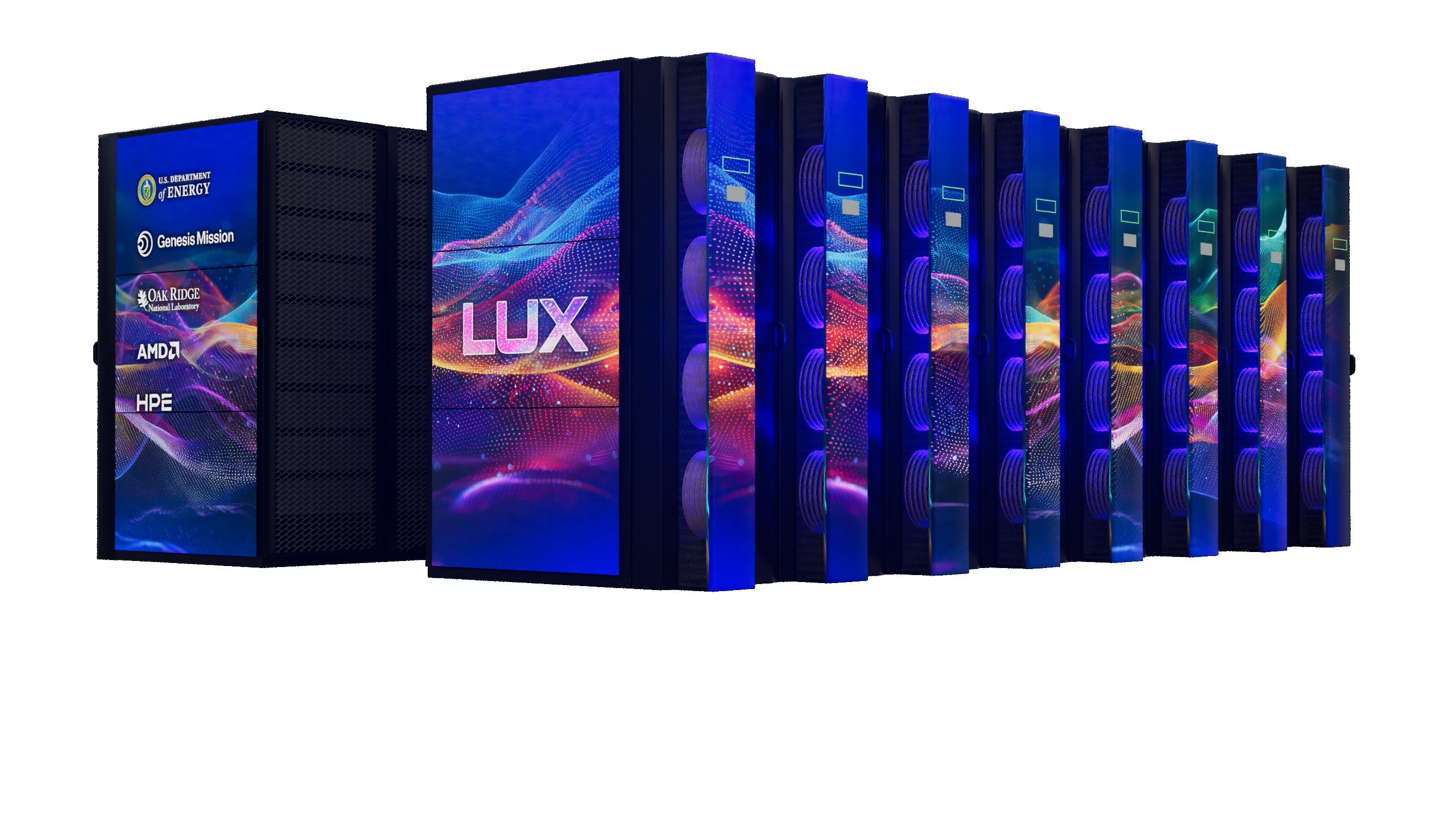
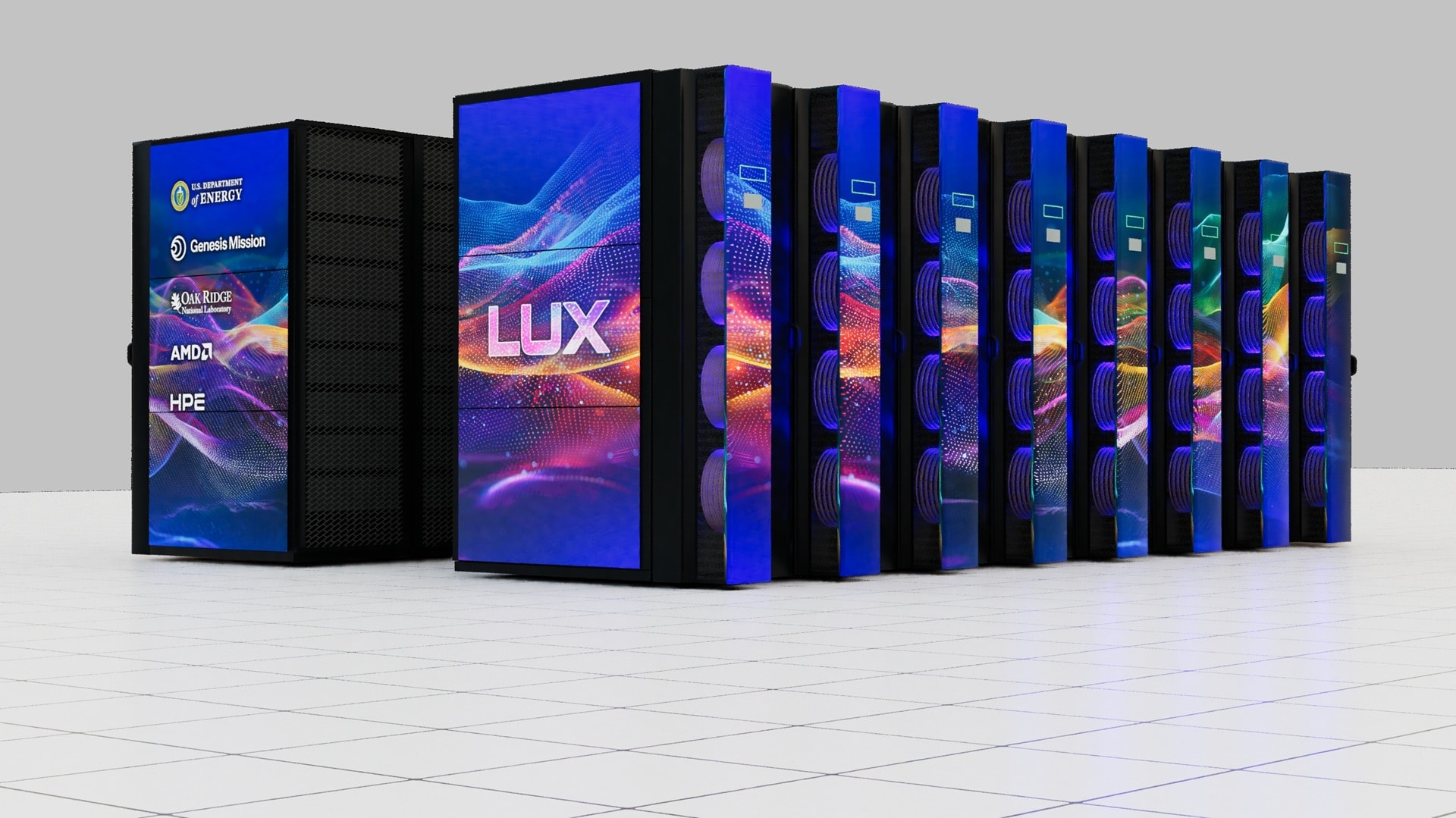
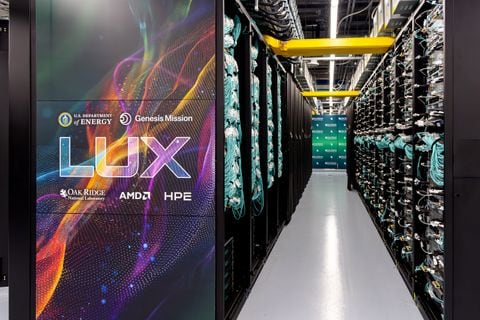
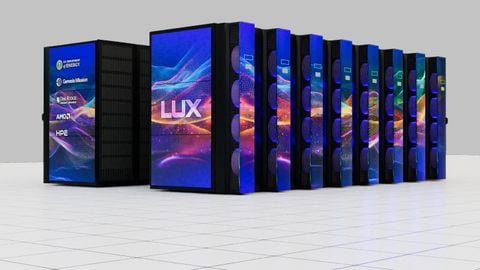
Today, AMD announced that the Lux SI + HPC supercomputer is open to scientific users at the U.S. Department of Energy’s (DOE) Oak Ridge National Laboratory (ORNL).
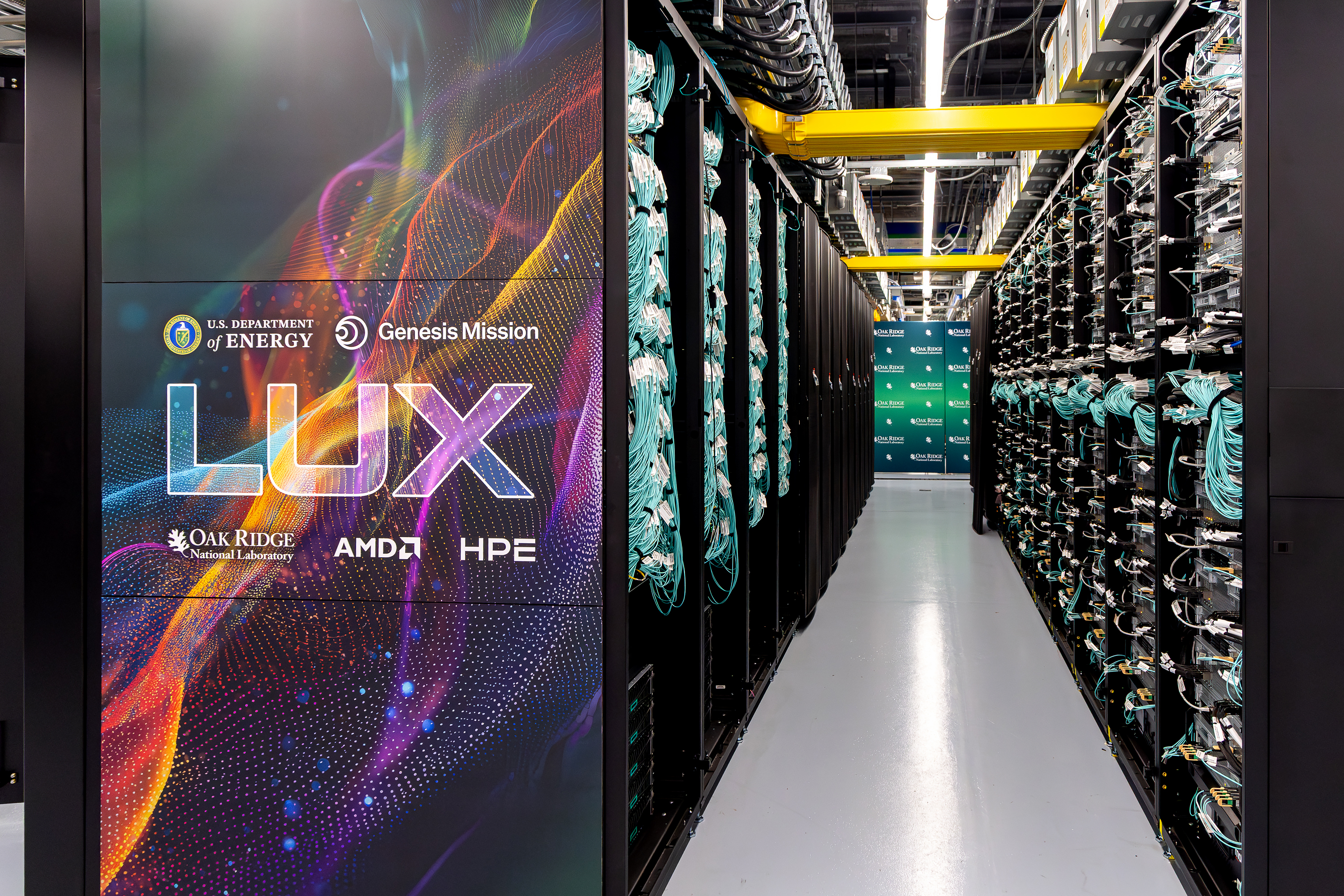
Ranked No. 14 on today's TOP500 list, Lux was developed through a public-private partnership between AMD and the DOE. It provides the first dedicated U.S. AI Factory for the Genesis Mission, the DOE-led initiative to advance AI-driven science.
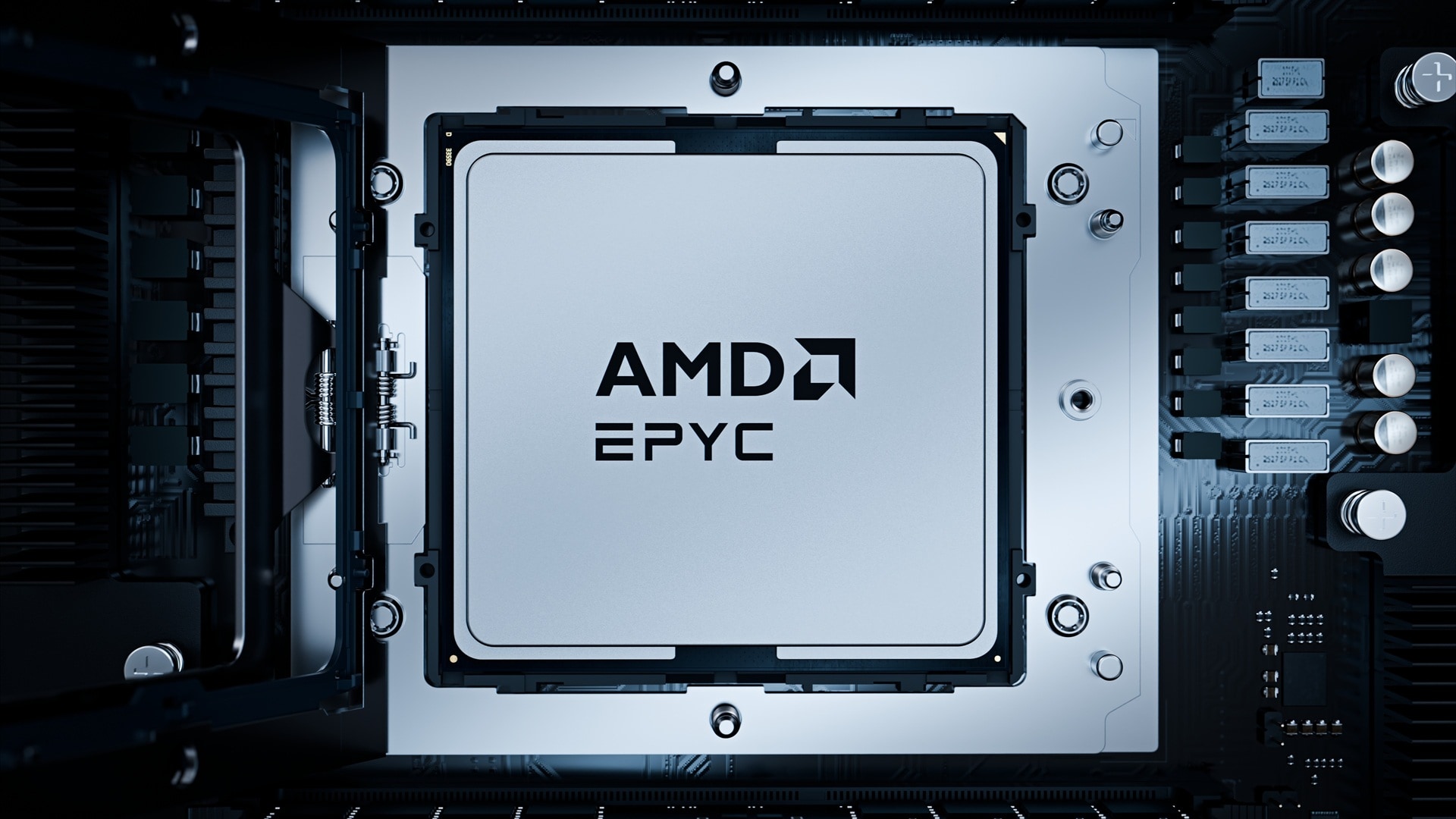
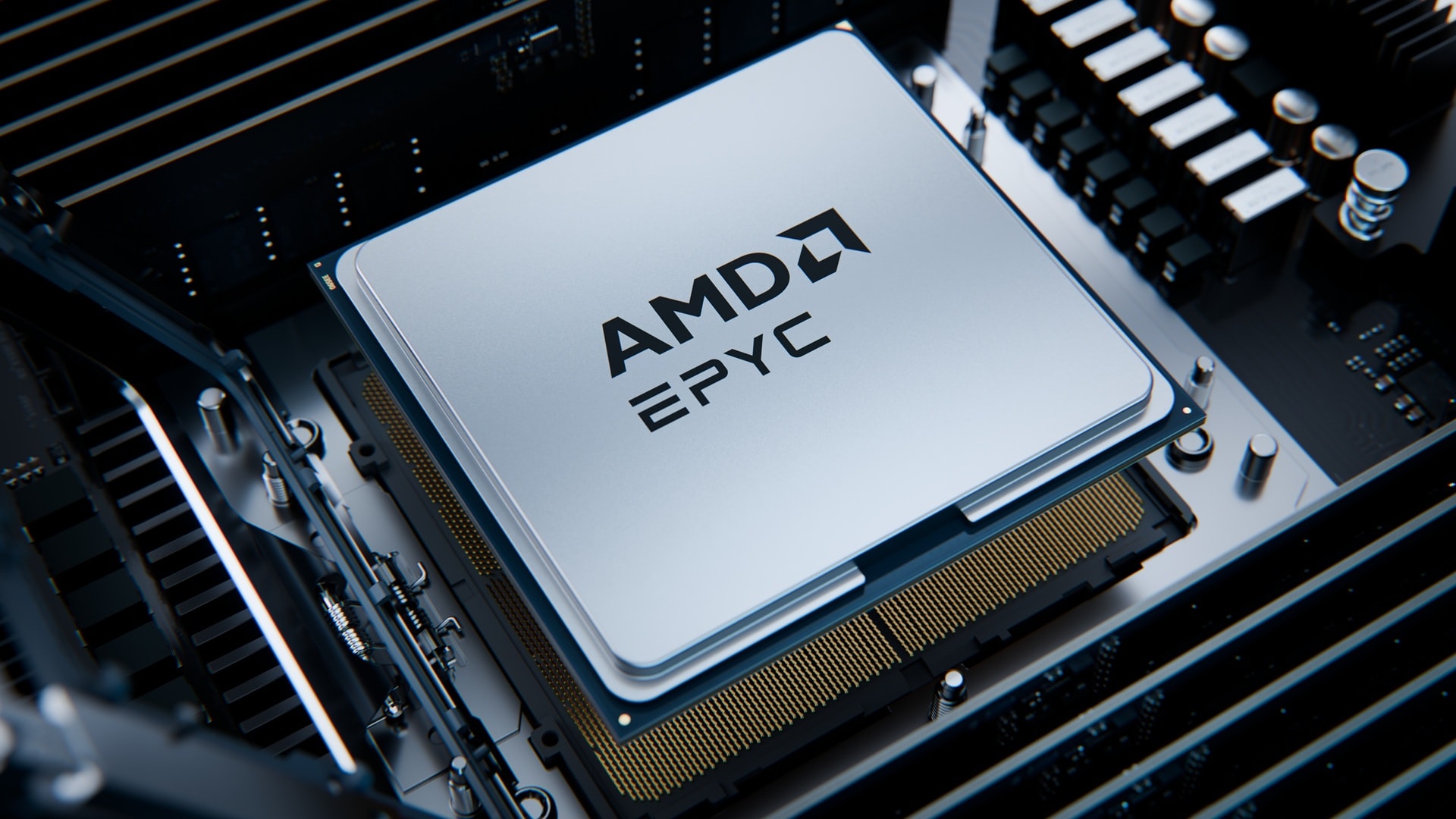
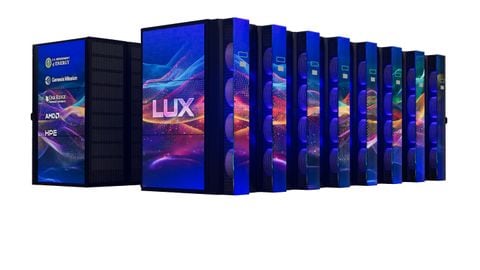
Lux brings together AMD EPYC™ processors, AMD Instinct™ MI355X GPUs, AMD Pensando™ networking and AMD ROCm™ software in a system built by HPE. The system combines AI with high-performance modeling and simulation to expand U.S. capabilities in science, energy and national security.
Lux demonstrates the breadth of the AMD technology portfolio for AI-driven science. Rather than treating AI and traditional HPC as separate computing environments, the system brings AMD CPUs, GPUs, networking and open software together on one platform designed for heterogeneous scientific workflows.
-
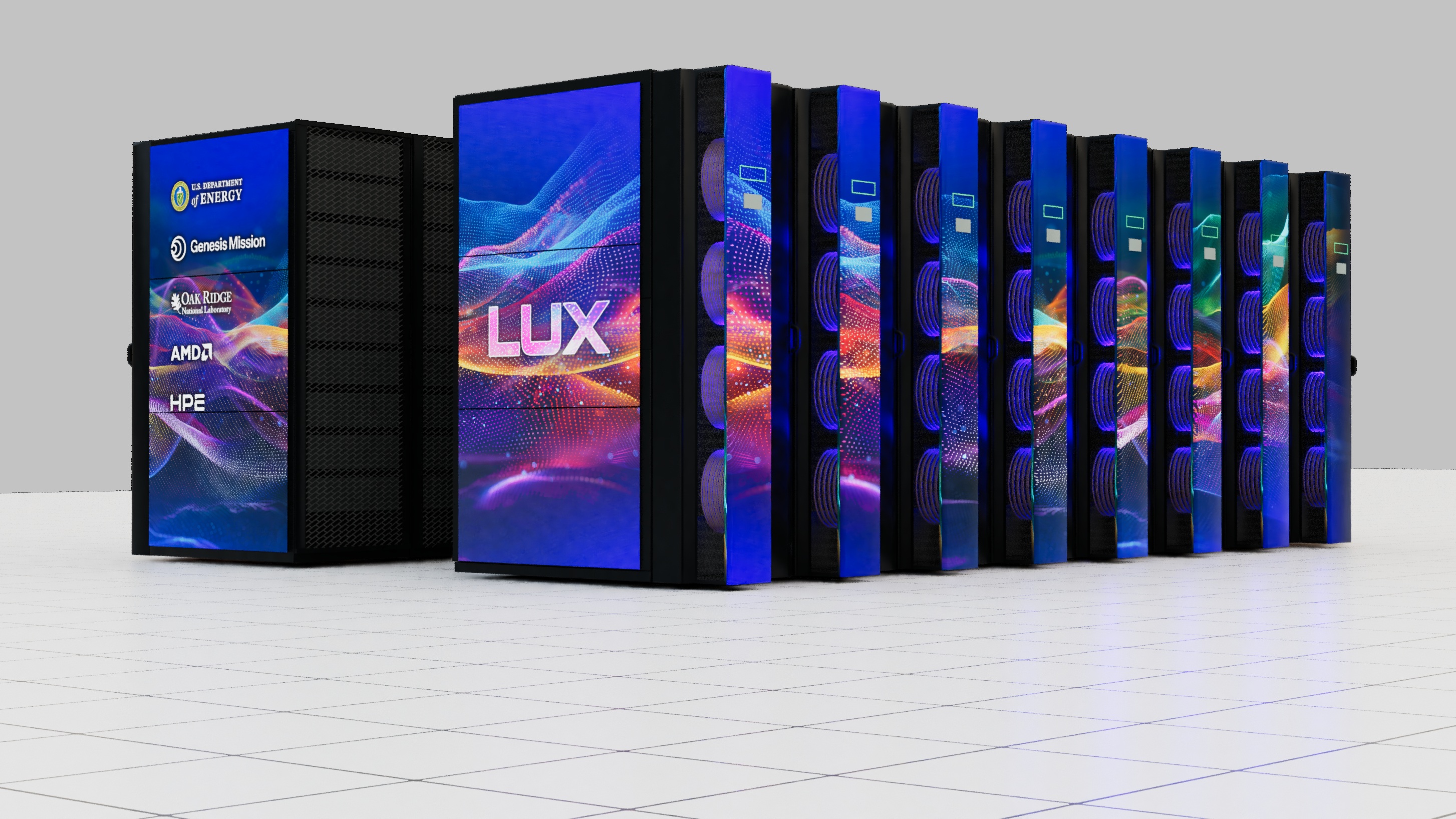
The Lux SI + HPC supercomputer brings together AMD EPYC processors, AMD Instinct MI355X GPUs, AMD Pensando networking and AMD ROCm software in a system built by HPE. The system combines AI with high-performance modeling and simulation to expand U.S. capabilities in science, energy and national security. (Credit: Oak Ridge National Laboratory)
Expanding Scientific Computing Around the World
AMD is supporting new scientific computing efforts across the world.
In Finland, the LUMI-AI supercomputer is combining AMD Instinct™ MI430X GPUs and 6th Gen AMD EPYC™ processors to expand computing capacity for AI and research.
In the U.K., an expansion of the Dawn supercomputer is bringing AMD Instinct MI355X GPUs, integrated by Dell Technologies, to researchers using the national AI Research Resource.
In France, AMD and Eviden were selected to build Alice Recoque, the country’s first exascale supercomputer. Powered by next-generation 6th Gen AMD EPYC server processors and AMD Instinct MI430X GPUs, Alice Recoque will expand Europe’s capabilities in artificial intelligence and scientific computing.
Together with Lux, these systems demonstrate how nations and research institutions are adopting AMD technologies to converge high-performance simulation and AI, strengthen domestic research infrastructure, and support the next generation of scientific discovery.
Building the Classical Computing Foundation for Quantum
Future quantum computers will depend on classical computing to manage operations, simulate quantum behavior and process the information needed for quantum error correction. AMD is addressing those requirements with IBM and the Quantum Science Center at ORNL through a new codesign platform for quantum error correction. Announced this month, the platform provides a shared environment to evaluate how quantum processors, classical computing and software can work together.
Read more: “AMD Builds the Classical Foundation for Quantum’s Future”
AMD and PsiQuantum recently announced an expanded strategic partnership to codesign the computing infrastructure required to operate utility-scale, fault-tolerant quantum computers and the hybrid applications that combine quantum, high-performance and AI computing. The collaboration builds on the companies' existing work around AMD Versal™ FPGA technology – selected by PsiQuantum for its Beta quantum processing unit – and expands it into a broader relationship spanning AMD Instinct™ GPUs, AMD EPYC CPUs and the AMD ROCm software stack, combined with PsiQuantum's silicon photonics platform and roadmap.
Read more: “PsiQuantum and AMD Collaborate to Build the Computing Foundation for Utility-Scale Quantum Computing”
AMD is working with HPE, IBM, IQM, Riverlane and Xanadu to advance understanding of the classical computing needed for quantum error correction. A new joint survey examines hierarchical decoding approaches and the trade-offs in accuracy, speed and hardware implementation, helping researchers and system builders evaluate designs for scalable, fault-tolerant quantum computers.
Read more: "Building the Classical Foundation for Fault-Tolerant Quantum Computing"
AMD is contributing to the Open Quantum-HPC Software Ecosystem (openQSE), a community effort to connect quantum computers and supercomputers through open, vendor-neutral interfaces. At SC26, ecosystem members are demonstrating an initial reference implementation that brings independently developed software and hardware components into a working stack, helping inform future interfaces and standards for hybrid quantum-HPC computing.
Read more: “openQSE at SC26: An Open Software Stack to Connect Quantum Computers and Supercomputers”
Advancing HPC Performance and Efficiency
AMD Instinct MI430X is the first GPU designed from the outset for the convergence of high-precision simulation and AI for Science. New AMD research examines 47 workload configurations across 11 applications and benchmarks, exploring where FP64 emulation can help and where scientific codes depend on native double-precision compute. The findings reinforce the focus on supporting the varied computational demands of HPC and AI for Science with the AMD Instinct MI430X GPU.
Read more: “Exascale Was the Beginning: AMD Instinct™ MI430X GPUs”
The latest 6th Gen AMD EPYC server processors deliver leadership performance for the world’s most demanding design, simulation and HPC workloads. 6th Gen AMD EPYC server CPUs, formerly codenamed “Venice,” combine high core density and leadership per-core performance with up to 1.6 terabytes per second of memory bandwidth, PCIe Gen 6 connectivity and high-frequency options reaching 5.3 gigahertz. That balanced platform helps scientists and engineers run larger, higher-fidelity models, execute more simulations in parallel and reach results faster, supported by a broad open-source and commercial HPC software ecosystem.
Read more: “AMD Showcases 6th Gen AMD EPYC Processors to Lead Next Era of AI and Enterprise Computing”
When it arrives, Venice-X will extend that leadership for cache-sensitive technical workloads with 1,152 megabytes of L3 cache per socket, high frequency and drop-in SP7 platform readiness.
AMD is also extending its networking portfolio to support scientific computing. AMD AI NIC technology, built for AI and optimized for HPC, now enables a common Ethernet network to run both large-scale AI training and MPI-based scientific simulations. It provides scale-out connectivity for Lux at Oak Ridge National Laboratory and is designed to help researchers use AI and HPC together as they build AI for Science workflows.
Read more: “AMD AI NIC Technology: AMD AI NICs Now Supports HPC to Accelerate AI for Science”
AMD and Cornelis also announced an expanded collaboration to help HPC and AI for science customers design, validate and deploy systems that pair AMD EPYC CPUs and AMD Instinct GPUs with Cornelis networking.
Read more: “AMD and Cornelis Expand Collaboration for HPC and AI for Science as GWDG Deploys EMMY P4 Supercomputer”
Bringing Open Software into Scientific Workflows
Researchers need software that lets them adapt applications to new computing resources and build on work across the scientific community. AMD ROCm open software supports that work across HPC and AI.
AMD is introducing AMD HPC Assistant, an open-source, agentic AI guide that helps researchers move faster from code to discovery. Developed with CSC on the LUMI supercomputer and now coming to Frontier at Oak Ridge National Laboratory, it brings system-specific HPC expertise into a natural-language experience, from job submission and GPU profiling to energy visibility and kernel optimization.
Read more: "AMD Brings Agentic AI to Supercomputing with Open-Source AMD HPC Assistant, Debuting on LUMI and Frontier"
AMD and IBM released Pelagos, an open-source software tool for accelerating quantum error-correction decoder simulations, helping researchers test new decoding strategies and evaluate designs for fault-tolerant quantum computers. A new joint white paper demonstrates 6.23x end-to-end simulation throughput scaling from one to eight AMD Instinct MI355X GPUs on the Lux supercomputer at Oak Ridge National Laboratory, connecting quantum research with AMD-powered AI and HPC infrastructure.
Read more: “Accelerating Quantum Error Correction Research with Pelagos and AMD Instinct GPUs”
AMD and Rancher Government Solutions are bringing HPC and AI workloads together on Kubernetes through a hardened reference architecture built on AMD Instinct GPUs, AMD ROCm software and the RGS Carbide Platform. Integrating open-source scheduling tools Slinky and Kueue, the architecture is designed to simplify workload scheduling and improve GPU utilization, helping research and national security organizations run sensitive workloads in environments they control.
Read more: “AMD and Rancher Government Solutions Bring Security-Focused HPC and AI to Kubernetes”
Together, these announcements and updates show how AMD is working with the scientific community to build the foundation for what comes next in HPC and AI for science.
AMD, the AMD Arrow logo, AMD EPYC, AMD Instinct, AMD ROCm and combinations thereof are trademarks of Advanced Micro Devices, Inc. Other names are for informational purposes only and may be trademarks of their respective owners.
Press inquiries: corporate.pressinquiry@amd.com