Three things you need to know:
OpenAI feeds AMD early insight into where models are heading; AMD turns that into silicon, systems and software. This loop has shaped the AMD Instinct™ MI400 generation and now extends toward MI500.
Work spanning Triton, Gluon, LLVM and AMD ROCm™ – plus Codex and agentic tools that help write GPU code – means improvements don’t stay locked to one workload; they strengthen the broader AMD ecosystem developers can build on.
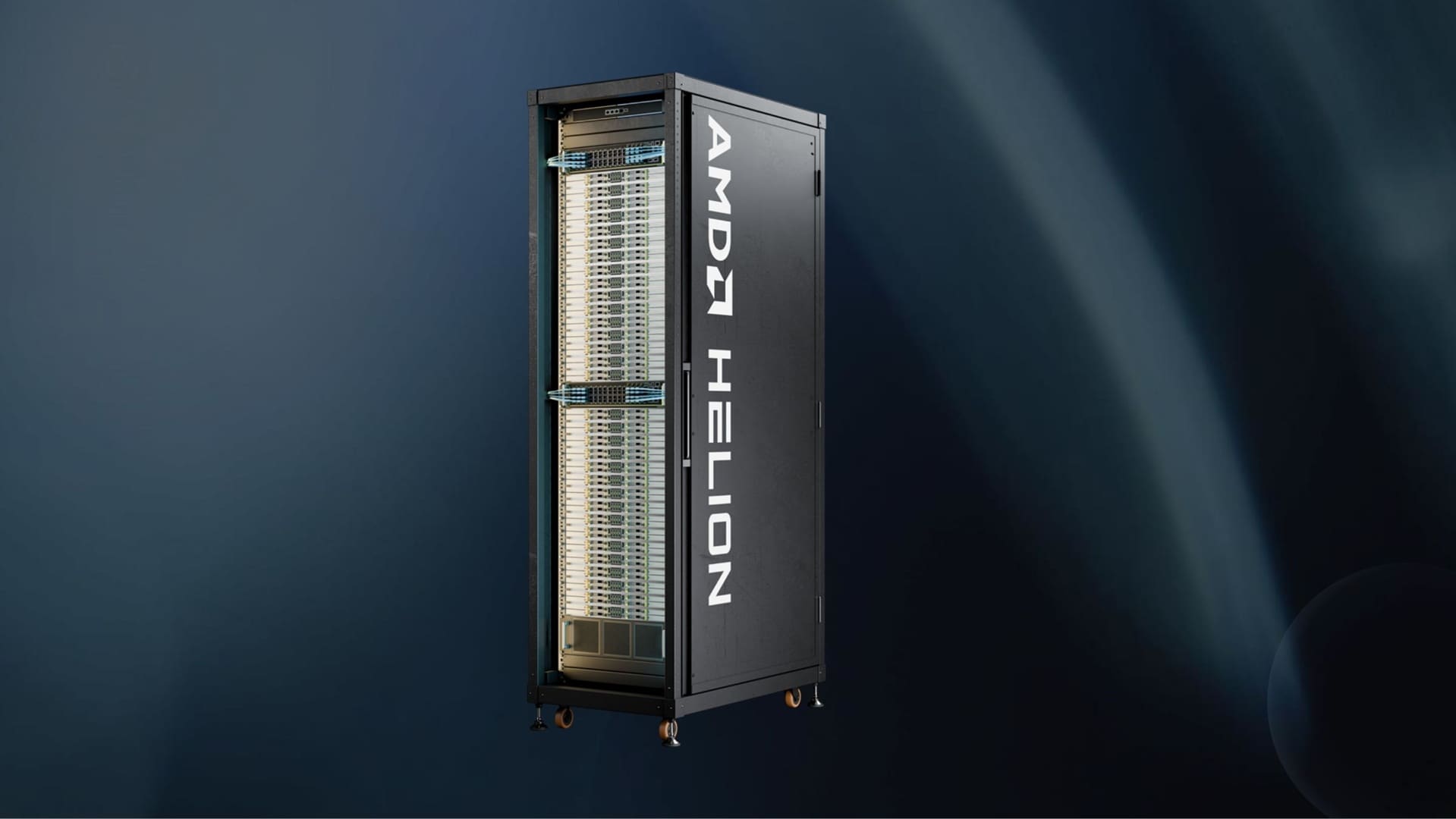
OpenAI expects to bring AMD Helios™ online through multiple deployment partners starting in the second half of 2026, marking the initial phase of the 6-gigawatt AMD GPU deployment the companies announced in October 2025.
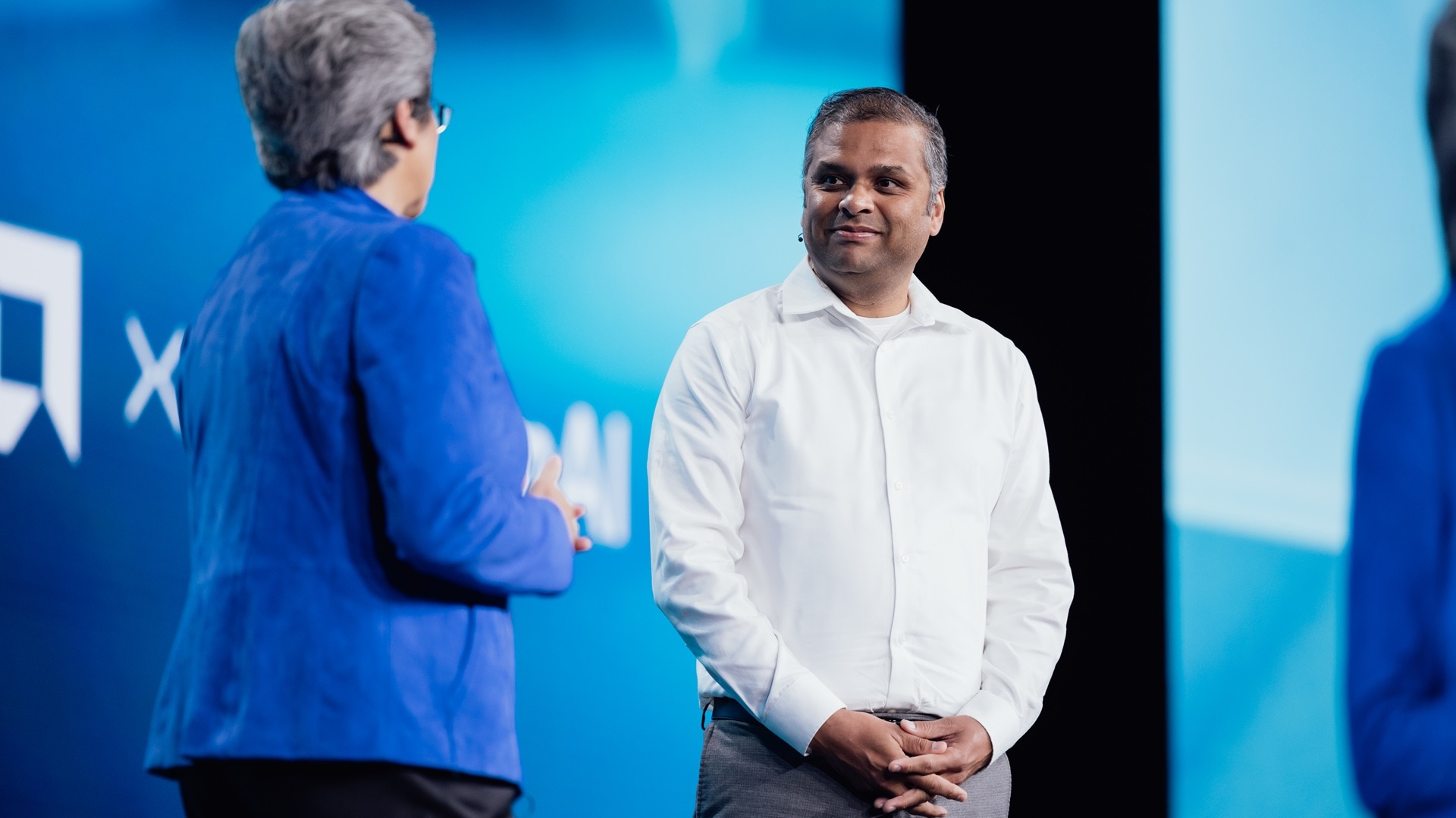
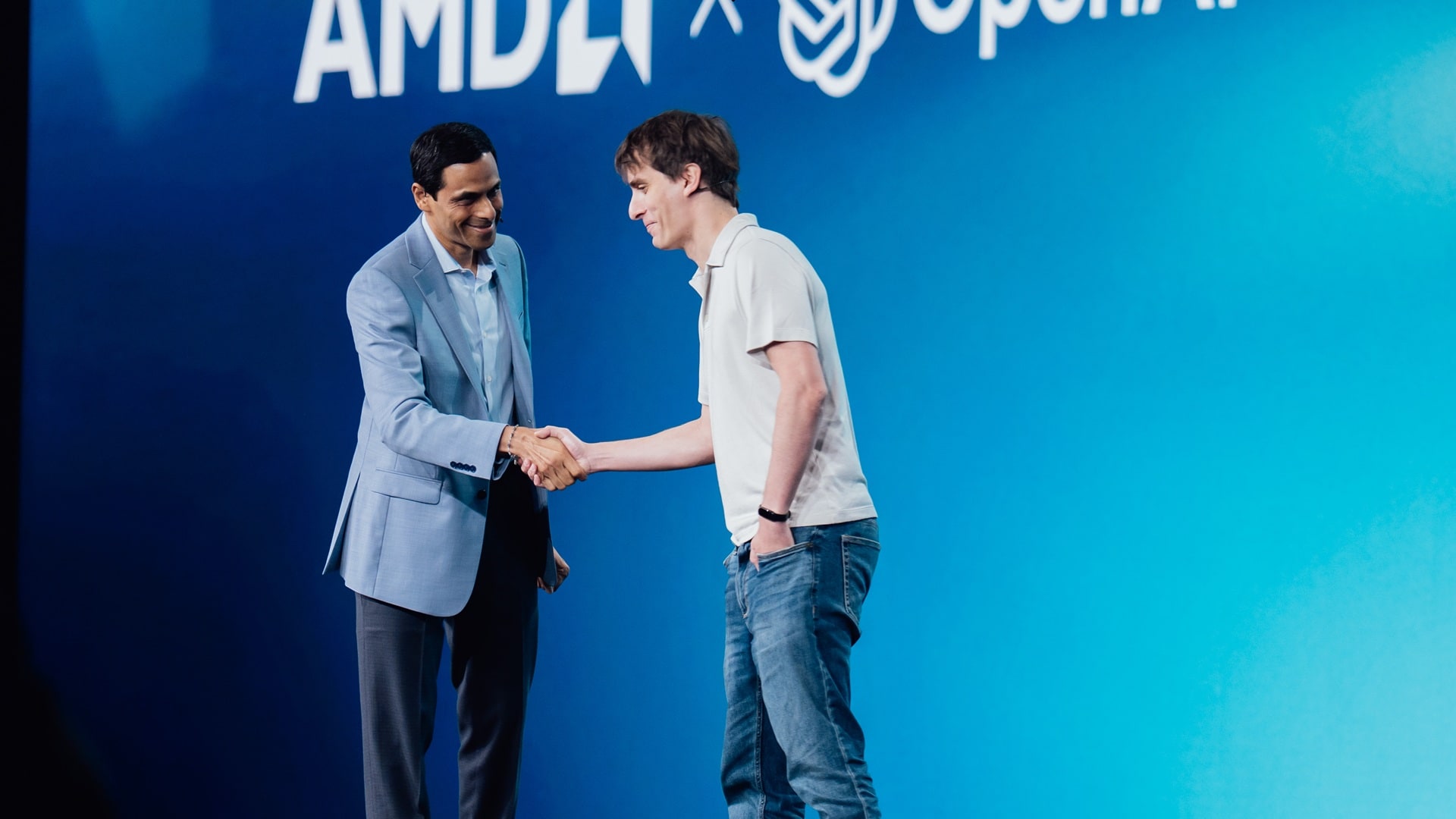
At Advancing AI 2026, AMD and OpenAI showcased a partnership evolving from product collaboration to full-stack co-design. AMD Chair and CEO Dr. Lisa Su and OpenAI Vice President of Compute Strategy Sachin Katti discussed rising compute demand, the work underway to bring AMD Helios™ online, and the need to shape future infrastructure around emerging model requirements.
AMD’s Vamsi Boppana and OpenAI’s Philippe Tillet then turned to the software behind that progress – from Triton and Gluon to compiler optimization and AI-assisted GPU programming. Together, the discussions revealed how close collaboration can turn advances in silicon and software into deployable performance for frontier AI systems.
From MI300X to Helios
Katti said AI models are becoming more capable, more agentic and useful across a broader range of tasks. As AI increasingly helps improve software, research and infrastructure itself, demand continues to rise for greater performance, memory, networking and efficiency.
The AMD and OpenAI collaboration began with AMD Instinct MI300X GPUs and deepened with MI355X as the teams optimized the software stack, networking and large-scale deployment. The AMD Helios™ rackscale solution, with AMD Instinct™ MI455X GPUs and 6th Gen AMD EPYC™ "Venice" CPUs, has extended the relationship, with engineers from AMD and OpenAI working side by side across hardware, software and systems.
OpenAI has had access to Helios systems for several months, allowing its teams to prepare the software and solution stack ahead of deployment. The companies are optimizing GPT-class workloads on the platform, debugging together, sharing data and making decisions quickly.
OpenAI expects to begin bringing Helios online through multiple deployment partners in the second half of 2026, with deployments accelerating throughout 2027. This rollout will mark the first phase of the 6-gigawatt deployment the companies announced in October 2025.
Shaping Future Infrastructure Together
The collaboration extends beyond preparing today’s systems for deployment. AMD and OpenAI are aligning their roadmaps so future infrastructure is shaped by the workloads it will serve.
At the frontier, performance depends on how compute, memory, networking, power, cooling, rack architecture, software and models operate together. OpenAI gives AMD early insight into how models are changing, where bottlenecks are emerging and what future training and inference workloads will require. AMD can translate those insights into advances across silicon, systems and software.
That feedback loop has helped shape the AMD Instinct MI400 generation and is continuing as the companies look further ahead. Katti said OpenAI is excited by what AMD is designing with the Instinct MI500 generation, which looks set to deliver another significant leap in AI capabilities.
Turning Hardware Advances into Application Performance
Tillet emphasized that there is no one-size-fits-all approach to GPU software. OpenAI chooses the programming model that best fits each workload.
For research, where speed of iteration is critical, Triton remains a powerful tool for developing GPU kernels quickly. For performance-sensitive workloads such as inference, OpenAI has developed Gluon, a more hardware-aware programming language that gives engineers greater control over how software uses the GPU.
AMD and OpenAI are collaborating across both. Their work now spans the software stack down to LLVM code generation, ensuring hardware advances translate into meaningful application performance.
Codex is also becoming an increasingly valuable part of this process. It is already strong at helping engineers write Triton code and is becoming more capable with Gluon, allowing teams to explore implementations and adapt software to new hardware more rapidly.
Using AI to Build Better AI Infrastructure
AMD and OpenAI are also jointly researching how AI can improve the systems on which AI runs.
Today, expert engineers invest substantial effort translating new models into efficient kernels, compilers, communication libraries and system configurations. AMD and OpenAI are developing technologies that could allow models and agents to automate more of that work
The conversations at Advancing AI 2026 made clear that the AMD and OpenAI relationship is about more than deploying infrastructure at scale. By connecting model development with silicon, systems and software, the companies are creating a faster and more collaborative approach to building the infrastructure behind the next generation of AI.
Press inquiries: corporate.pressinquiry@amd.com