During the opening keynote at the 2026 OCP Global Summit, Dr. Lisa Su, chair and CEO at AMD, showed how the company’s portfolio of open, full-stack infrastructure delivers the computing power to support agentic AI at every scale.
As it works with ecosystem partners and peers to champion open standards, AMD delivers powerful and flexible agentic AI with a broad portfolio of systems enabled by leadership compute – from enterprise systems to gigawatt-scale deployments. Throughout the four-day event in San Jose, Calif., AMD – along with its partners and customers – will showcase platforms, demos and use cases.
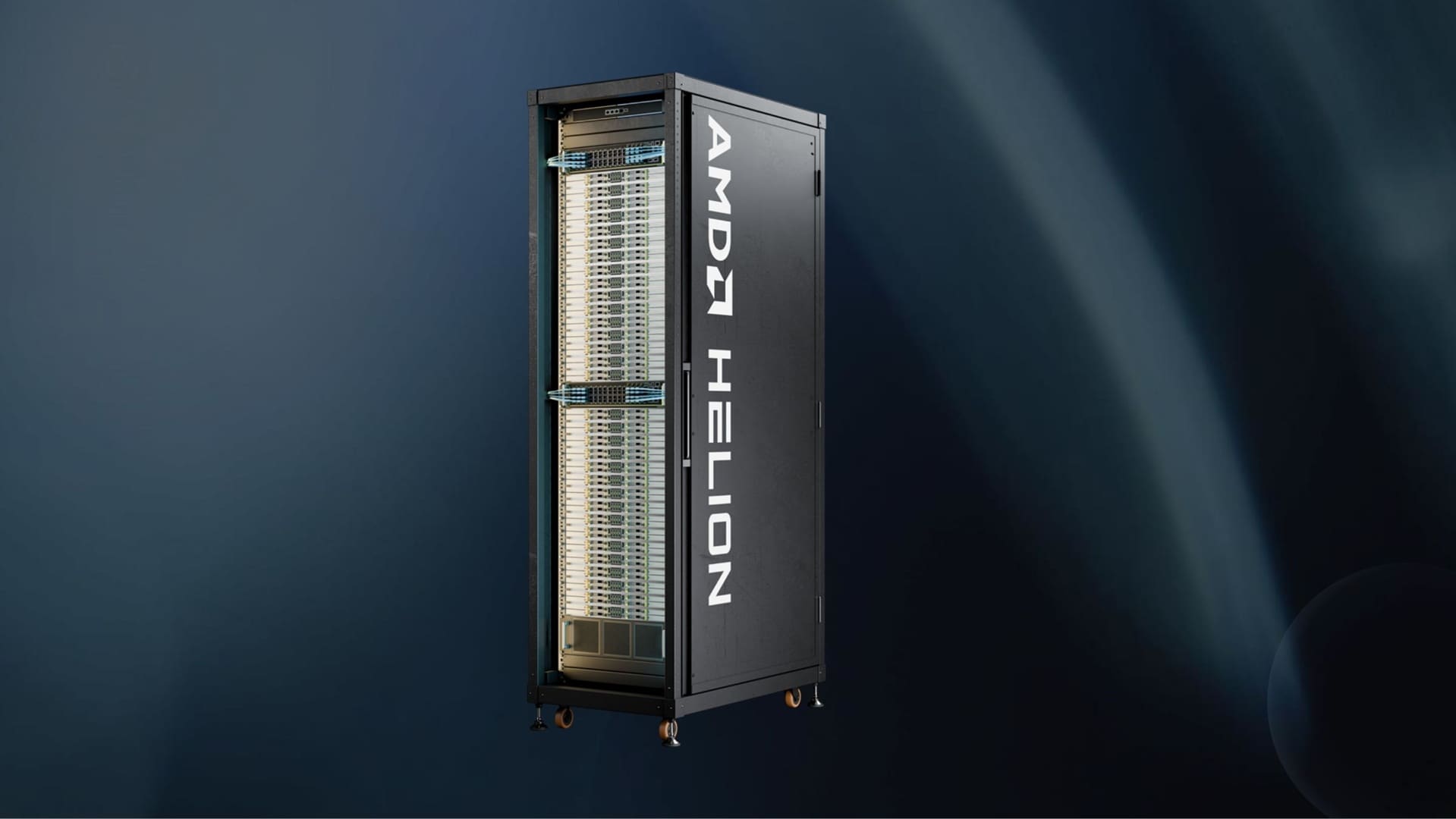
The keynote presentation followed the earlier AMD announcement of the AMD Helion agentic AI rack based on an Open Compute Project spec-design and powered by AMD compute.
Keep reading for highlights from the OCP keynote.
-
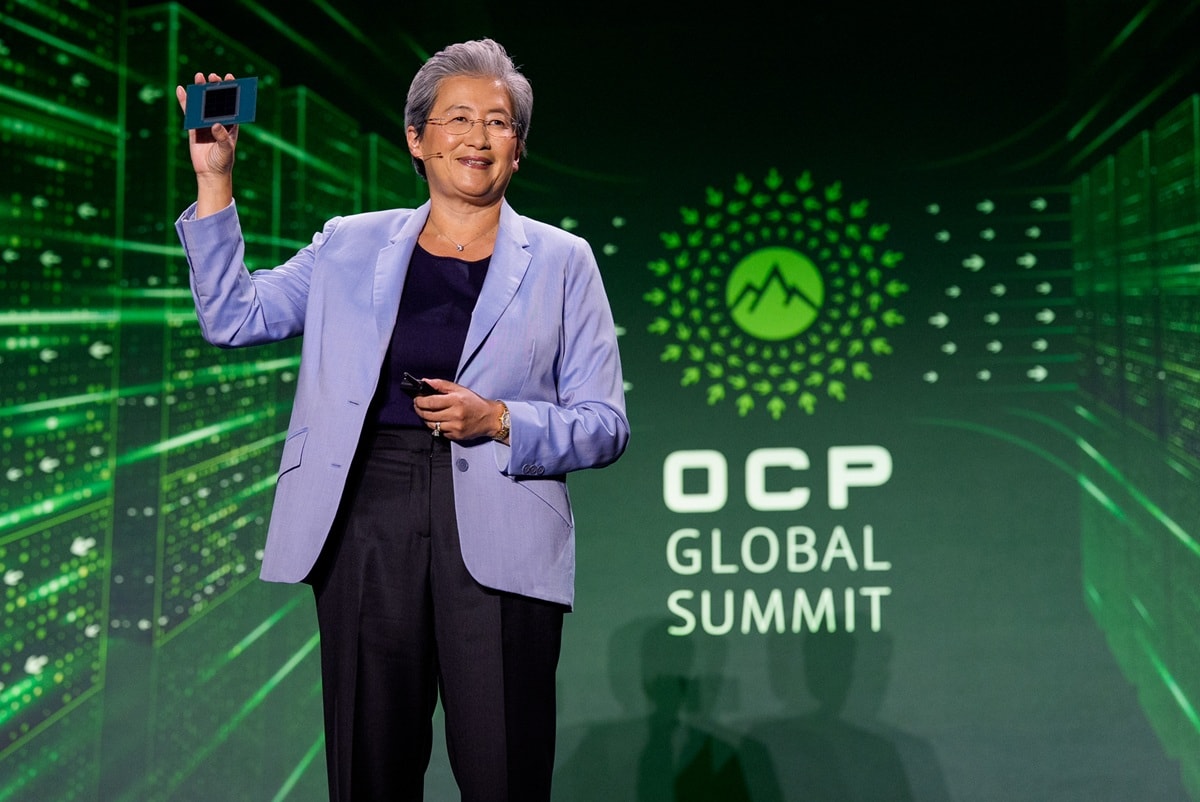
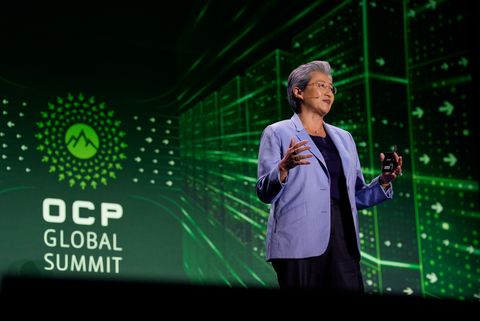
AMD CEO and Chair Lisa Su speaks at the opening keynote of the 2026 OCP Global Summit in San Jose, California. During her presentation on Monday, Oct. 12, 2026, she illustrated how AMD's portfolio of open, full-stack infrastructure delivers the computing power to support agentic AI at every scale. (Credit: OCP)
-
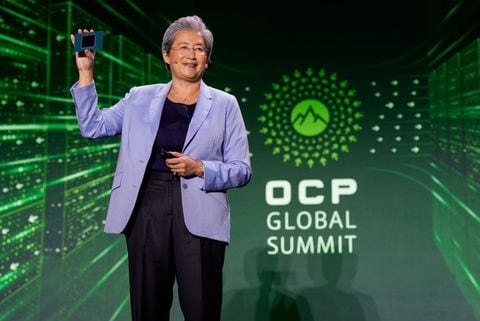
AMD CEO and Chair Lisa Su displays a 6th Gen EPYC "Verano" data center CPU during the opening keynote of the 2026 OCP Global Summit in San Jose, California. "Verano," the first AMD EPYC CPU with an LPDDR memory interface will be available in 2027. During her presentation on Monday, Oct. 12, 2026, she illustrated how AMD's portfolio of open, full-stack infrastructure delivers the computing power to support agentic AI at every scale. (Credit: OCP)
-
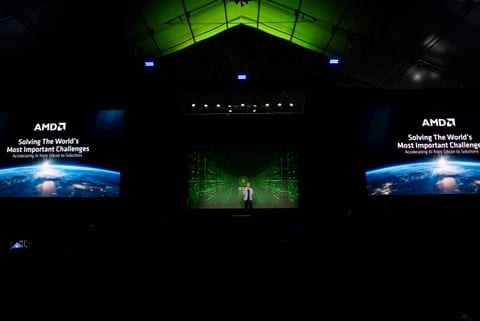
AMD CEO and Chair Lisa Su speaks at the opening keynote of the 2026 OCP Global Summit in San Jose, California. During her presentation on Monday, Oct. 12, 2026, she illustrated how AMD's portfolio of open, full-stack infrastructure delivers the computing power to support agentic AI at every scale. (Credit: OCP)
Enabling the Open Computing Ecosystem
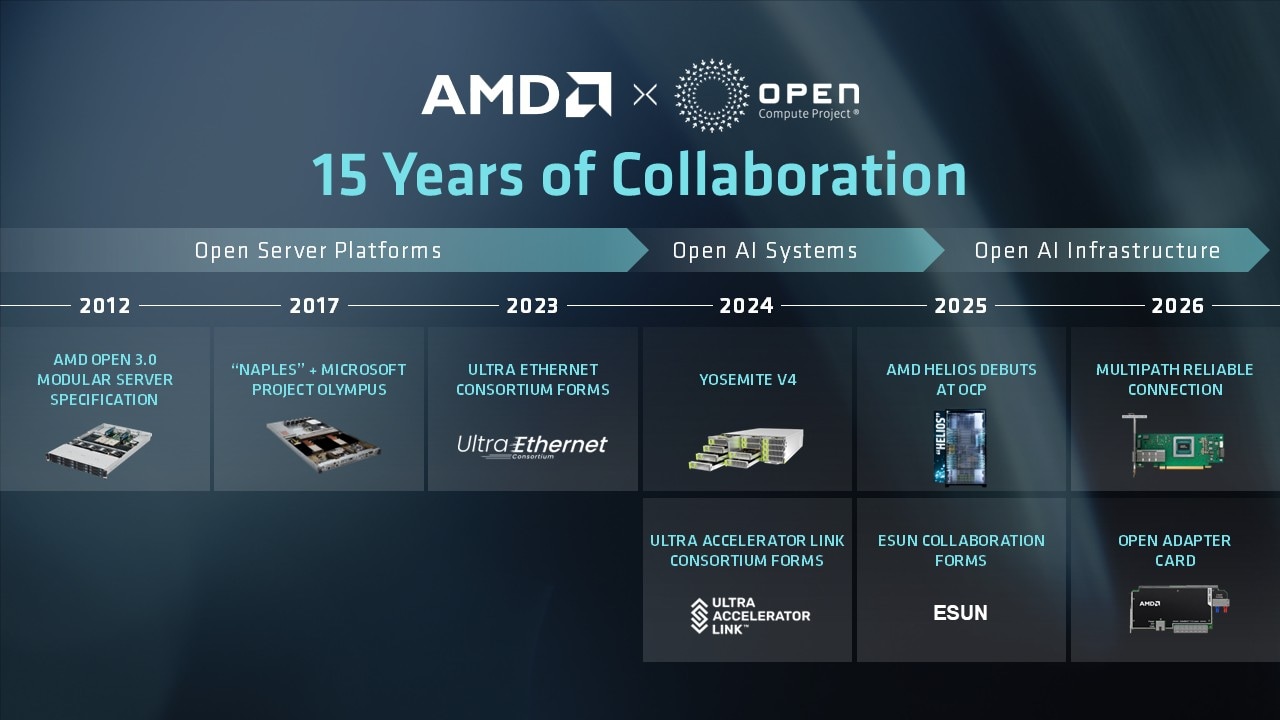
What Lisa Su Said:
When we come together as an open ecosystem, we accelerate the pace of innovation and get better solutions for our customers.
What It Means: AMD continues to help shape the open compute ecosystem with its contributions to shared standards and designs, and its work with partners to turn those standards into AI infrastructure. Inference, or running trained AI models, is now the largest AI workload, with agentic AI increasing demand for server and graphics processors. As AI becomes more capable, more people will use it, and that will create demand that will need to be met by flexible open designs.
Why It Matters: Agentic AI retains context, uses tools and repeatedly requests model responses to complete tasks, increasing computing demand across AI’s foundational infrastructure. Customers need systems that match computing resources to those different workloads. Meeting that demand requires coordinated advances in processors, networking, software and rack design. Open standards provide a shared foundation that helps customers and partners build infrastructure around their needs and adapt as AI workloads evolve.
One Year Later, AMD Helios in Production
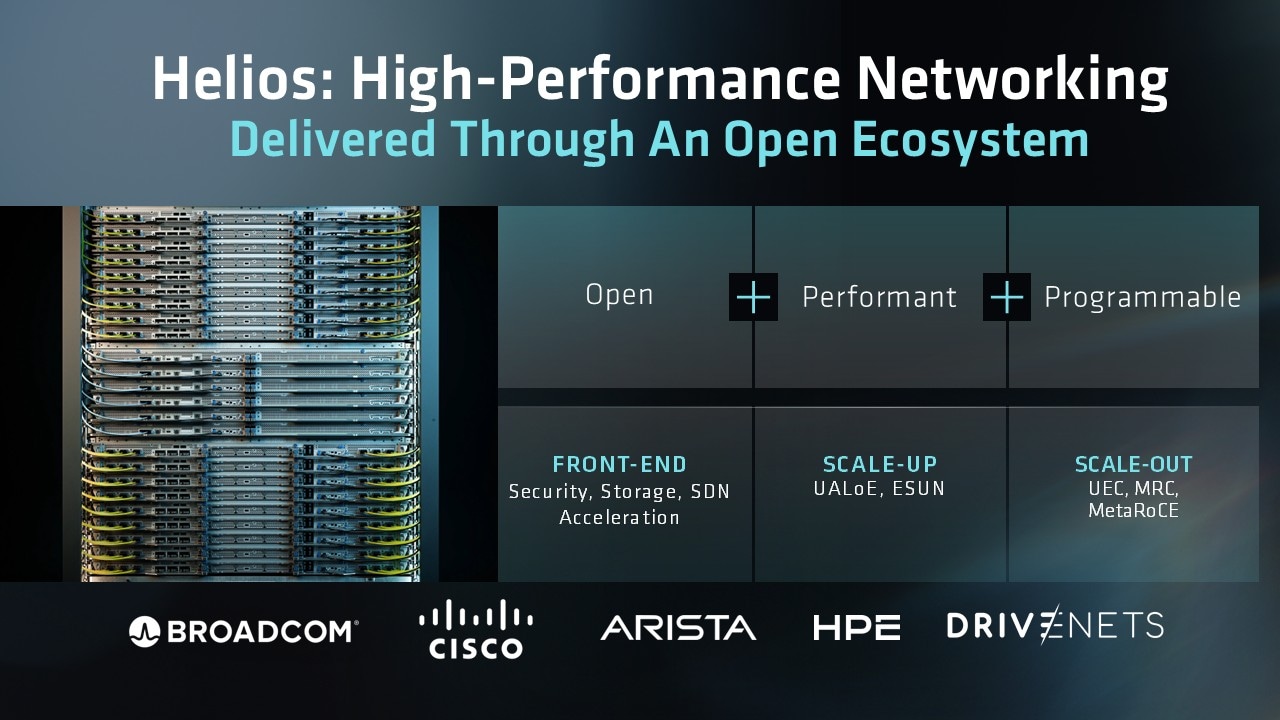
What Lisa Su Said:
There are going to be a lot of accelerators out there. It's not one-size-fits-all. It's not one company has all the best parts. What we want to do is make it really easy for a heterogeneous data center environment. Because there is a firm belief in that you're going to need a mix of CPUs, GPUs, purpose-built ASICs.
What It Means: One year after its 2025 Open Compute Project debut, AMD Helios™ is ramping production with customer deliveries, deployments and workload validations underway. Each rack integrates AMD Instinct™ GPUs, AMD EPYC™ processors, AMD Pensando™ networking and the AMD ROCm™ software ecosystem. Its development brings together computing, memory and networking as one system for large AI workloads.
Why It Matters: Large AI models require substantial computing power, enough memory to hold models and their working data, and fast connections within and between racks. Customers also need infrastructure they can deploy, maintain and expand reliably. AMD Helios addresses those requirements through an integrated rack design built on open standards. And constantly updated ROCm software can increase performance on the same hardware, helping customers get more work from their investment.
AMD and Partners Advance Helios Toward Deployment
What Lisa Su Said:
Helios is absolutely the most sophisticated and complex system that we've built at AMD together with our partners.
What It Means: AMD co-engineered AMD Helios with Meta and the broader Open Compute Project community, incorporating shared designs for the rack, power systems and hardware management. Today, initial systems are installed and running at OpenAI, Meta, Microsoft and Oracle.
Why It Matters: Customer and partner participation helps shape AMD Helios around the workloads it must run and the conditions in which it must operate. Shared rack, power and networking designs let AMD build on community engineering while concentrating its own work on computing performance. Software communities support the tools developers use, cloud providers bring the platform to their customers, and system partners build and deliver systems. This collaboration gives customers more choices in how they construct and deploy AI infrastructure, while creating multiple ways for AMD Helios to be adopted across the industry.
AMD Helion Scales Agentic AI as Demands Adjust
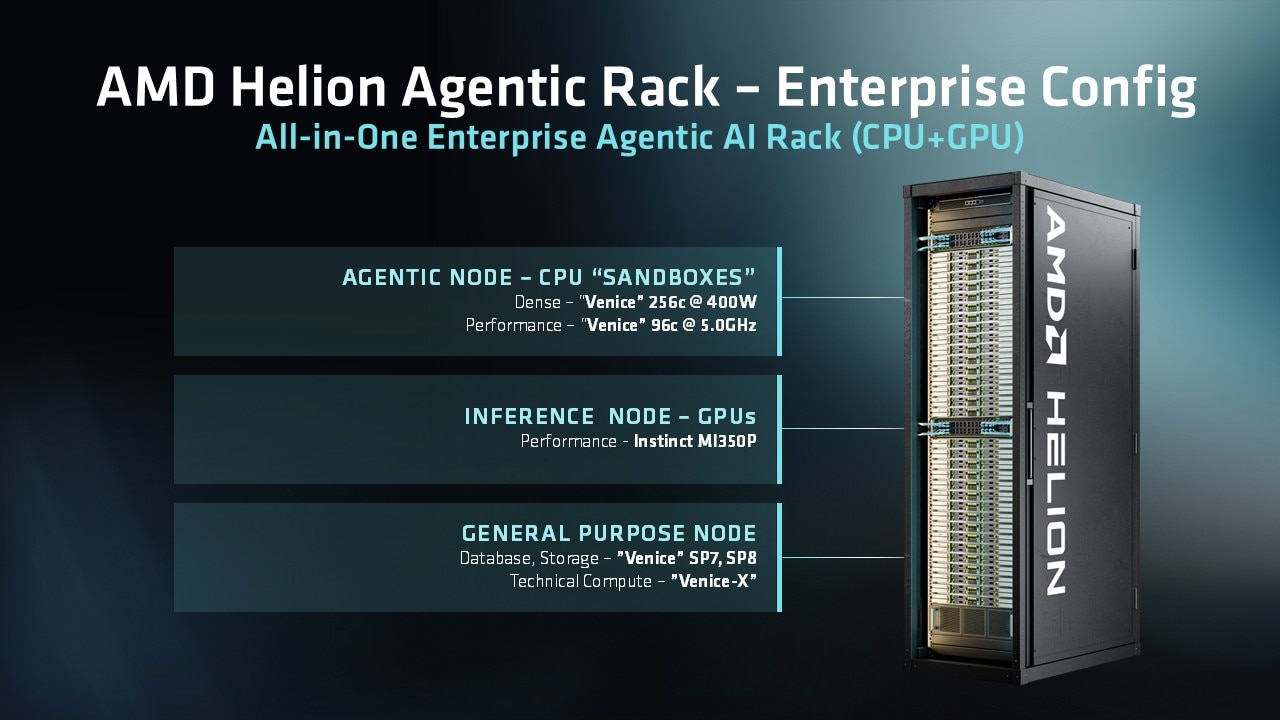
What Lisa Su Said:
You don't need the same compute for every question. You want to be able to route the right model and the right compute for the right application. And that's a key piece of this, as well as the overall open environment.
What It Means: The AMD Helion rack provides the framework for what comes next with agentic AI. AMD Helion lets customers tailor CPU core density, performance and power to agentic workloads, with CPU-only configurations for hyperscale deployments and integrated CPU/GPU configurations for enterprises. Partners can tailor these configurations to customer workloads, power requirements and existing infrastructure. AMD Helion’s integrated model router also directs agents’ requests across frontier and open-source models. AMD Helion agentic rack configurations are under development with ecosystem partners and are planned to be available in November 2026. (Read more at “Introducing AMD Helion, Agentic AI Compute at Rack Scale.”)
Why It Matters: Agentic AI puts new demands on the entire computing system. A single request can call business applications, query databases, run code and coordinate complex workflows. Processors that execute and support this work must scale alongside model inference. With AMD Helion, partners can bring together optimized compute, open software and flexible rack designs to build to specific needs. This gives customers the flexibility to match computing resources to each workload, to manage power and cost, and to build on existing infrastructure investments. AMD plans to contribute the AMD Helion architecture to OCP.
An Open AMD System Gives Customers Choice to Scale AI
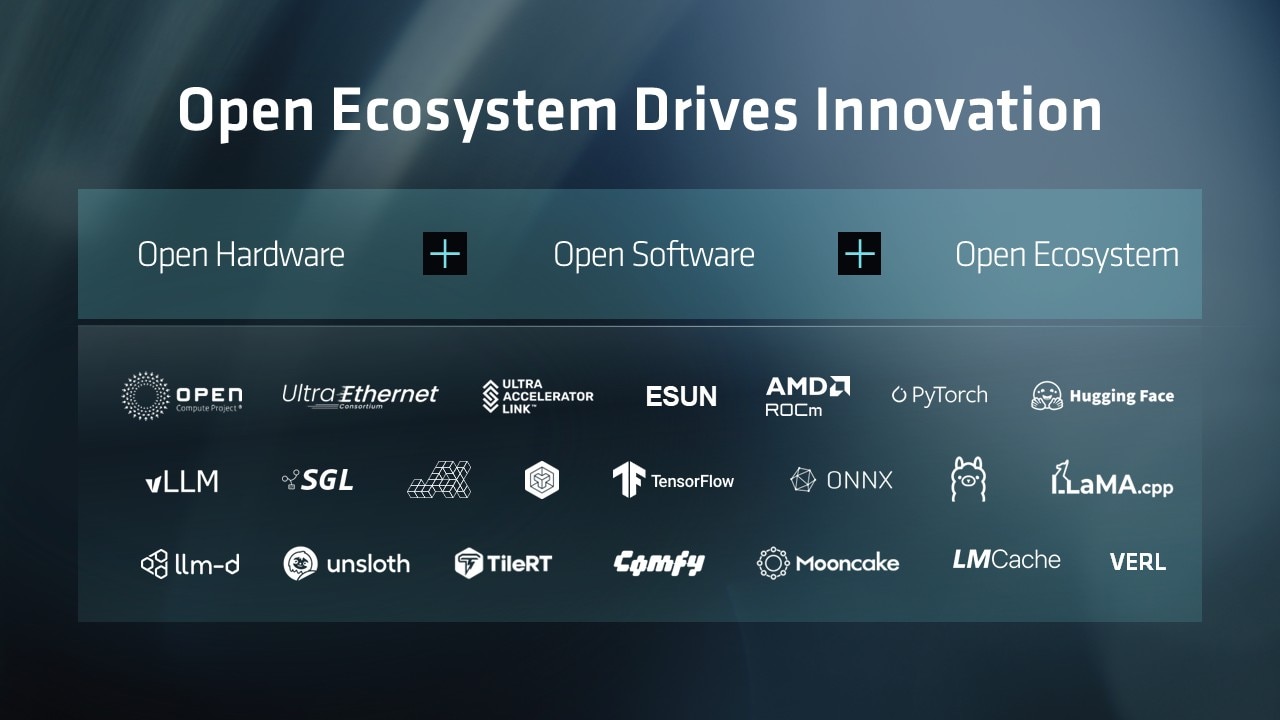
What Lisa Su Said:
Open is a foundation for what we care about at AMD. It is open on every level. It's open on the hardware level. It's open with specs. It's working with our partners. It's open on the software level, working with all of the software vendors to insure that we are bringing that together. And it's open on the ecosystem side.
What It Means: AMD is advancing AI infrastructure through a broad compute portfolio, flexible open platforms and integrated rack solutions built with customers and partners. AMD Helios brings that approach to large-scale model training and inference and AMD Helion extends it to agentic AI. Open hardware, AMD ROCm software and shared standards connect these efforts.
Why It Matters: Scaling AI requires coordination across processors, memory, networking, software and rack design. Agents add another challenge. Open partner collaboration empowers the entire ecosystem to combine their expertise and build on shared work, giving customers choice in how they deploy and expand AI infrastructure.
Press inquiries: corporate.pressinquiry@amd.com