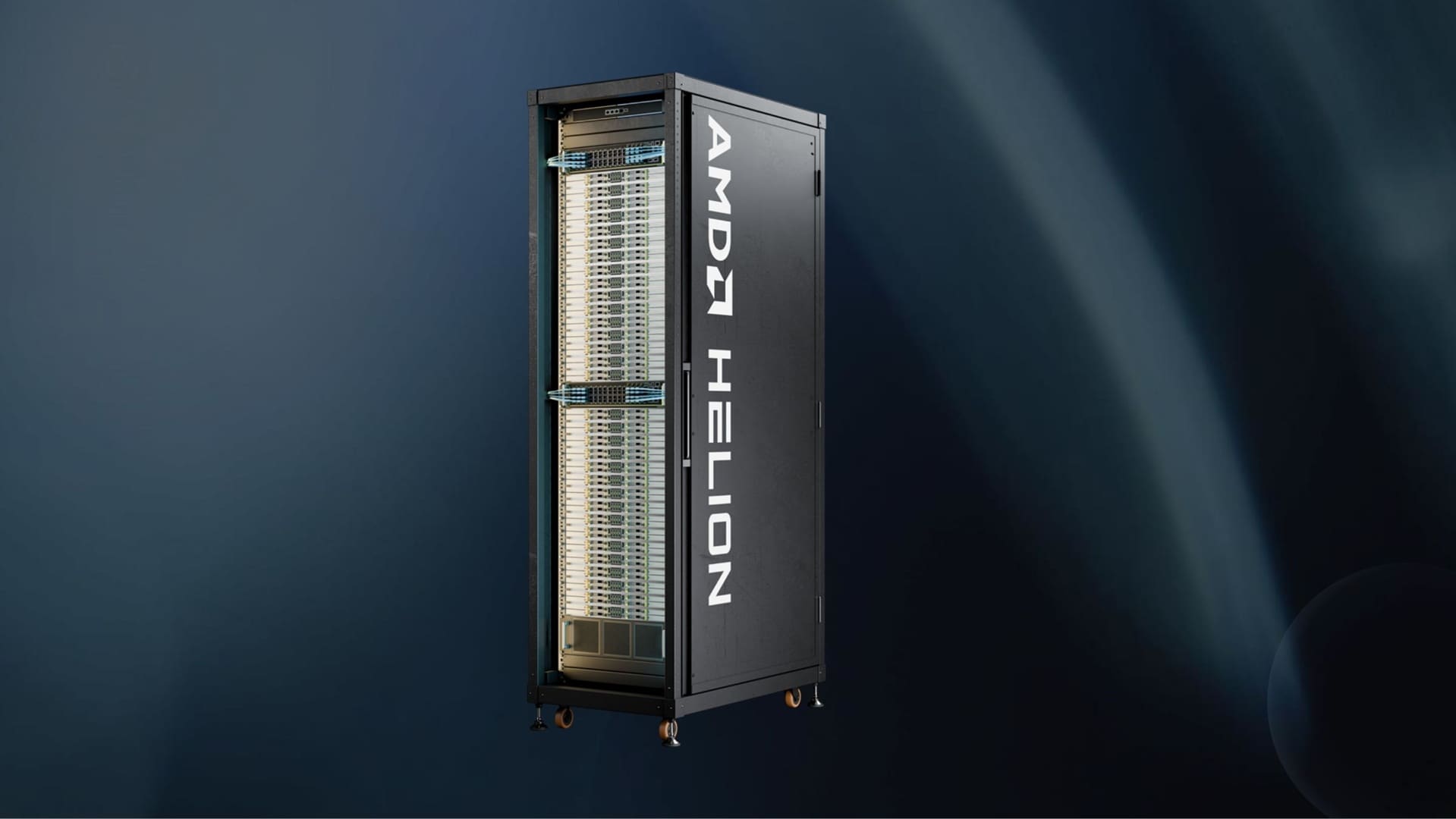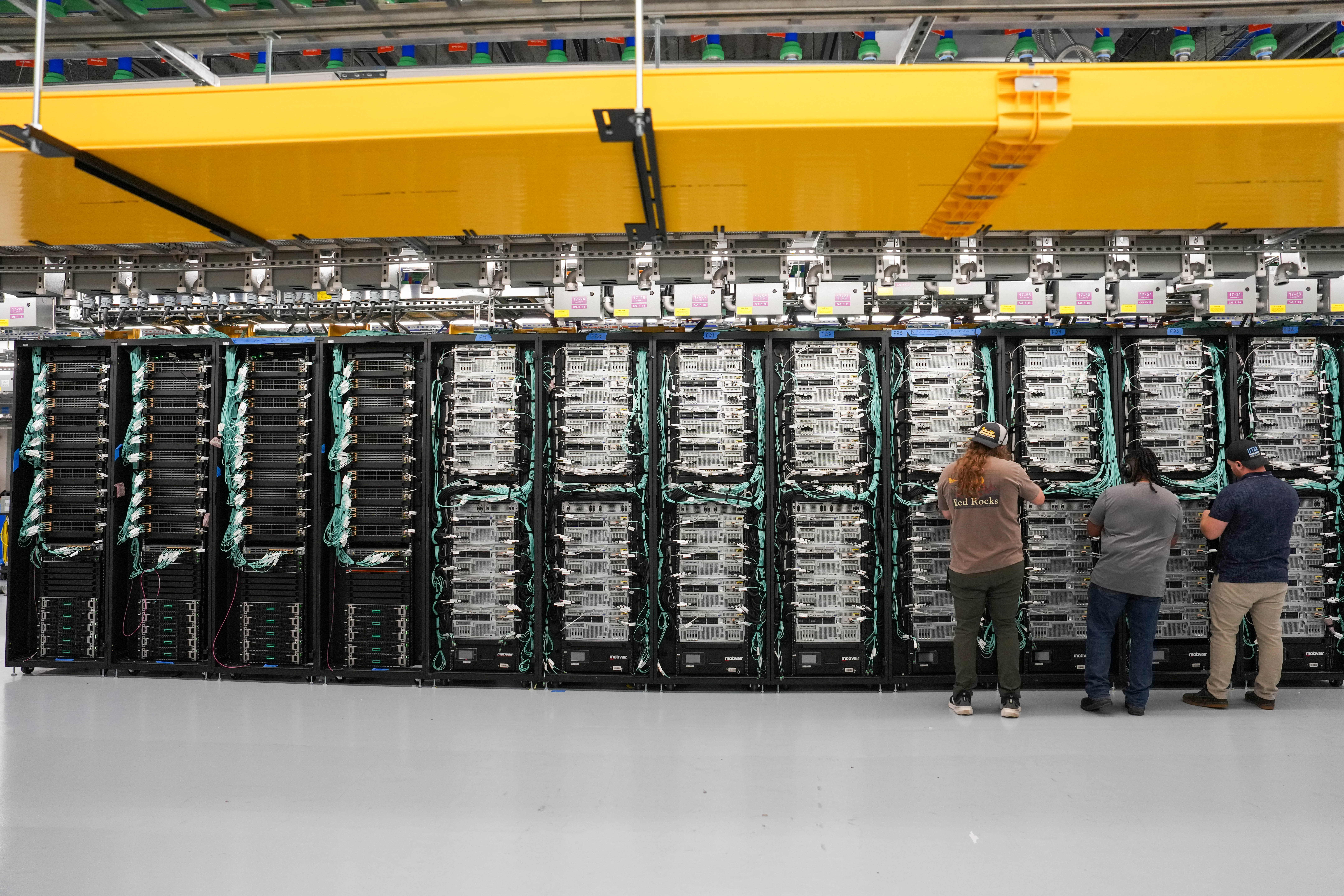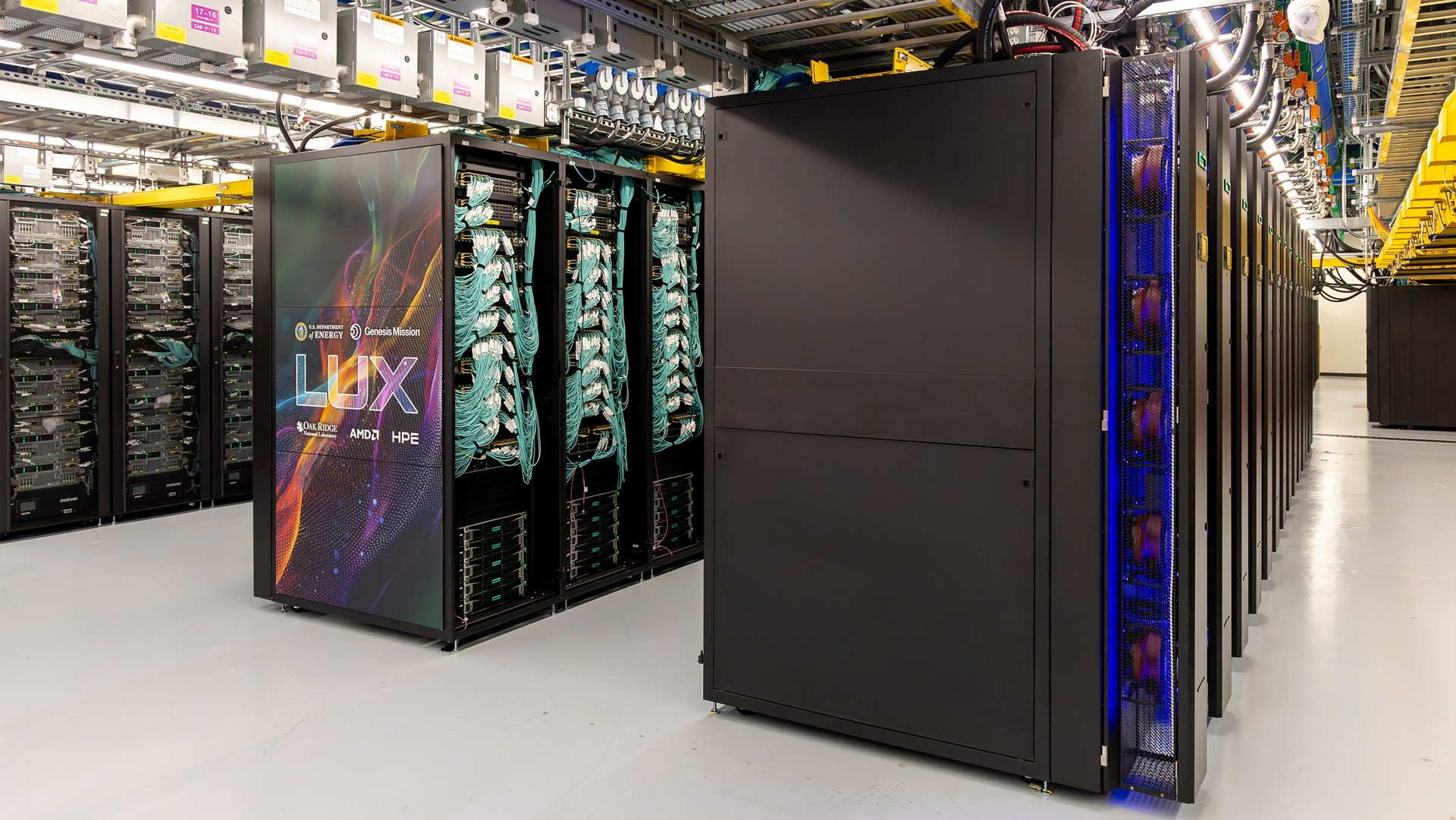
What’s the News? AMD is helping move the Genesis Mission into action with the next generation of supercomputers. Lux, expected to be the first operational Genesis Mission platform, will bring AI, simulation and scientific discovery into production for funded projects with an expected start in October 2026. Powered by AMD, Lux will help expand the U.S. Department of Energy’s (DOE) AI leadership and accelerate progress and innovation in energy research, materials science, medicine and advanced manufacturing. Later, Discovery – a next-generation exascale system deployed in collaboration with the DOE, Oak Ridge National Laboratory and HPE – is planned to follow as a long-term platform for converged high-performance computing and AI.
Why It Matters? The Genesis Mission unites DOE’s national labs, industry, academia and others to harness AI for breakthroughs in energy, discovery science and national security. Lux and Discovery can help teams move from data and simulation to AI-driven insight across energy, national security and other critical research areas. Genesis Mission’s single, integrated research platform is designed to dramatically shorten the time required for discovery while improving the productivity and effectiveness of U.S. research.
What’s the Role of AMD?
AMD is helping transform the Genesis Mission from a national vision into a working scientific platform. Lux will give researchers an open, interoperable and high-performance foundation to bring together simulation, AI, data and emerging computing workflows, while Discovery will extend that foundation for the next generation of American science. We are ready to work with funded research teams now to deliver measurable results and build repeatable models for discovery.
What are the Details of Lux? Lux’s design combines AMD Instinct™ MI355X GPUs, AMD EPYC™ CPUs, AMD Pensando™ networking and an open software ecosystem. When online, it will bring traditional high-performance computing applications together with cloud-native AI tools.
The system will support the end-to-end scientific workflow, from instrument to insight. Lux is being designed to support the American Science Cloud, collaborative model development, autonomous laboratories, digital twins, persistent AI services and future workflows spanning CPUs, GPUs and quantum processors.
How are Supercomputers Impacting Science? Similar to what Lux and Discovery will be able to deliver, the AMD technology-powered Frontier supercomputer is already demonstrating how converged AI and high-performance computing can accelerate science.
Researchers are currently using Frontier to reduce plant-imaging analysis from 168 hours to less than one minute, yielding results faster than was previously thought possible. Additionally, scientists are exploring materials for producing tritium fuel in future fusion reactors to accelerate the development of fusion energy systems.
These projects illustrate the scientific workflows Lux and Discovery can accelerate. Research opportunities span critical mineral recovery, fusion energy, hydropower, flood response and electrical grid resilience.
What Comes After Lux? Discovery is slated to become America’s next flagship supercomputer and advance the Genesis Mission into its next phase. With power from 6th Gen AMD EPYC™ processors, AMD Instinct™ MI430X GPUs, AMD Pensando networking technologies and the open ROCm™ software stack, Discovery is designed to support demanding simulations, scientific models and integrated discovery workflows. With full native FP64 precision, it will deliver high-accuracy simulations, AI and analytics, enabling greater confidence in mission-critical scientific discoveries and decisions.
Discovery will build on the foundation established by Frontier and Lux. It will provide a long-term leadership platform for deeper convergence across high-performance computing and AI.
What Can Researchers Do Now? Researchers with funded projects can bring to AMD their scientific models, instrument workflows and data challenges. AMD can help identify workloads ready for Lux, demonstrate measurable results and build repeatable success stories for the Genesis Mission. Email HPCAI@AMD.com to learn more.
-
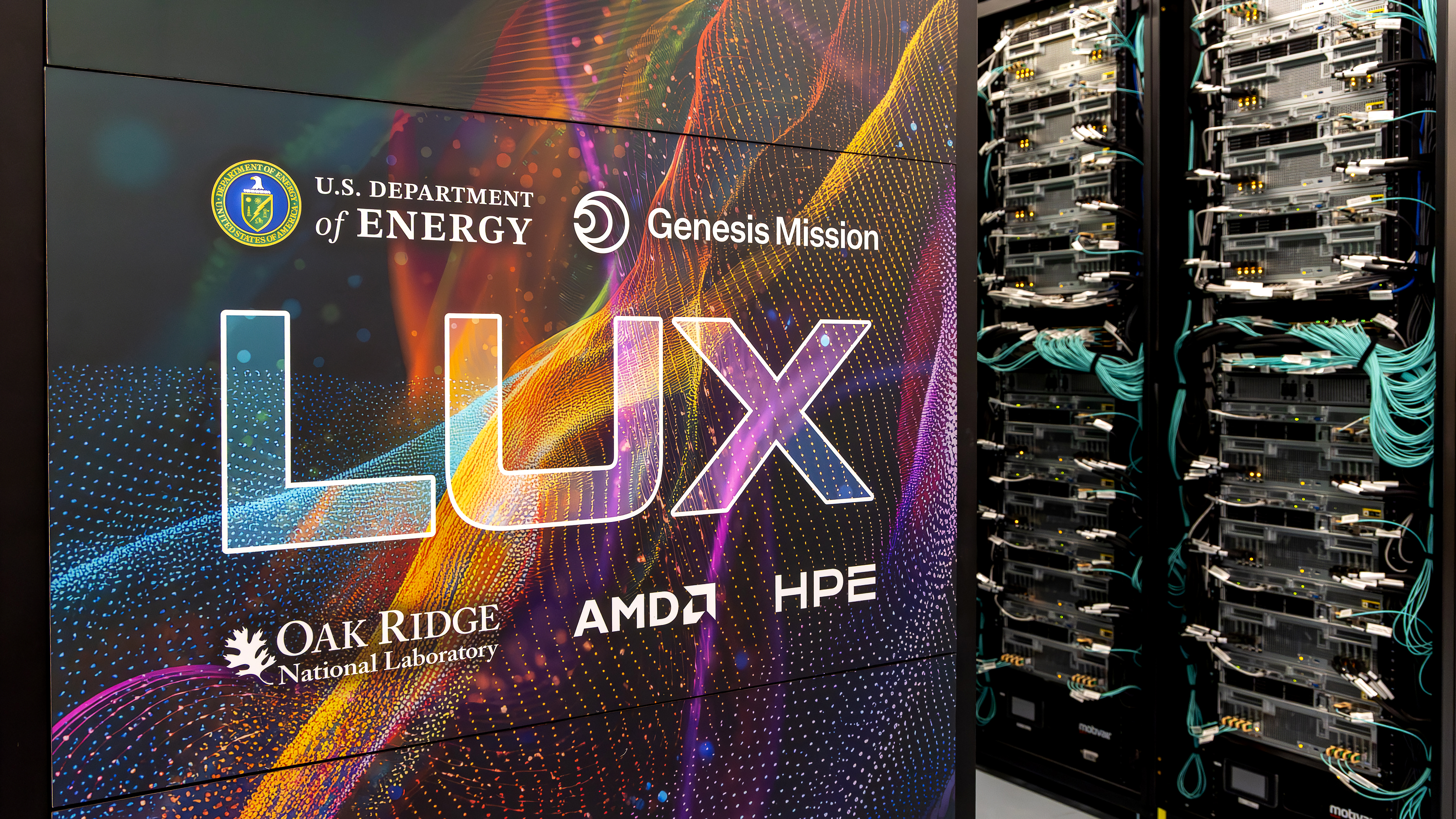
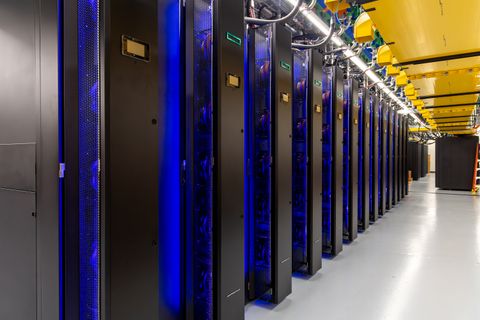
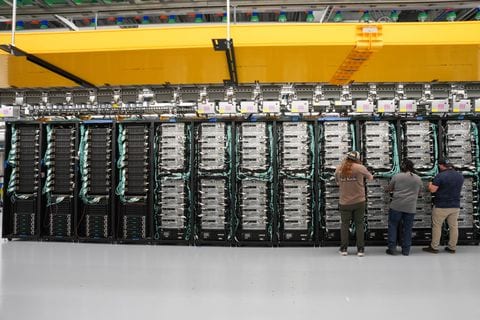
The Lux supercomputer is under construction at Oak Ridge National Laboratory in Tennessee. Powered by AMD technology, Lux is designed to be the first operational Genesis Mission platform and will help expand the U.S. Department of Energy’s AI leadership and accelerate progress and innovation in energy research, materials science, medicine and advanced manufacturing. (Credit: Oak Ridge National Laboratory)
-
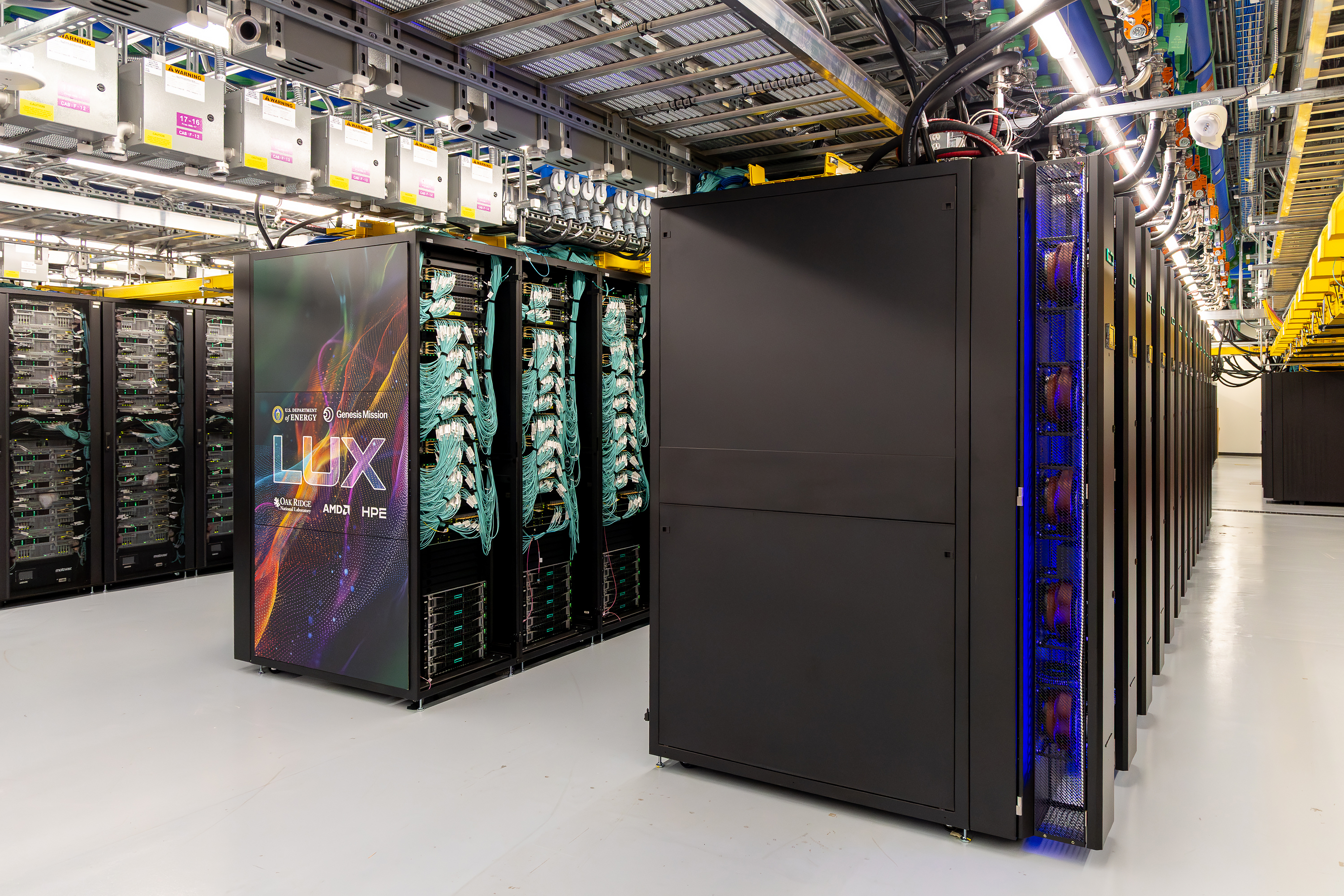
The Lux supercomputer is under construction at Oak Ridge National Laboratory in Tennessee. Powered by AMD technology, Lux is designed to be the first operational Genesis Mission platform and will help expand the U.S. Department of Energy’s AI leadership and accelerate progress and innovation in energy research, materials science, medicine and advanced manufacturing. (Credit: Oak Ridge National Laboratory)
-
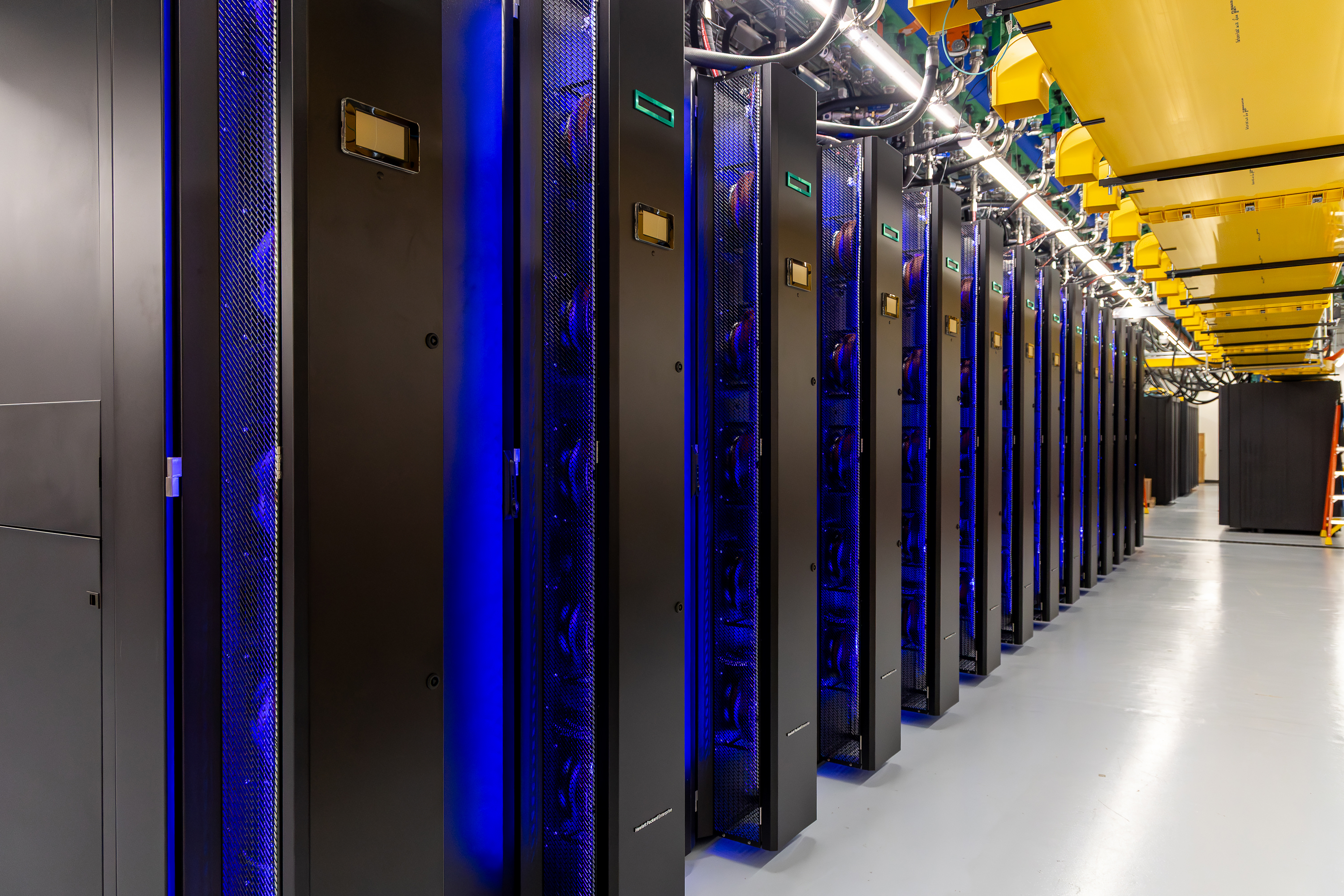
The Lux supercomputer is under construction at Oak Ridge National Laboratory in Tennessee. Powered by AMD technology, Lux is designed to be the first operational Genesis Mission platform and will help expand the U.S. Department of Energy’s AI leadership and accelerate progress and innovation in energy research, materials science, medicine and advanced manufacturing. (Credit: Oak Ridge National Laboratory)
-
The Lux supercomputer is under construction at Oak Ridge National Laboratory in Tennessee. Powered by AMD technology, Lux is designed to be the first operational Genesis Mission platform and will help expand the U.S. Department of Energy’s AI leadership and accelerate progress and innovation in energy research, materials science, medicine and advanced manufacturing. (Credit: Oak Ridge National Laboratory)
Cautionary Statement
This blog may contain forward-looking statements concerning Advanced Micro Devices, Inc. (AMD), which are made pursuant to the Safe Harbor provisions of the Private Securities Litigation Reform Act of 1995. Forward-looking statements are commonly identified by words such as "would," "may," "expects," "believes," "plans," "intends," "projects" and other terms with similar meaning. Investors are cautioned that any forward-looking statements in this blog are based on current beliefs, assumptions and expectations, speak only as of the date of this blog and involve risks and uncertainties that could cause actual results to differ materially from current expectations. Such statements are subject to certain known and unknown risks and uncertainties, many of which are difficult to predict and generally beyond AMD's control, that could cause actual results and other future events to differ materially from those expressed in, or implied or projected by, the forward-looking information and statements. Investors are urged to review in detail the risks and uncertainties in AMD’s Securities and Exchange Commission filings, including but not limited to AMD’s most recent reports on Forms 10-K and 10-Q.
AMD does not assume, and hereby disclaims, any obligation to update forward-looking statements made in this blog, except as may be required by law.
Press inquiries: corporate.pressinquiry@amd.com